
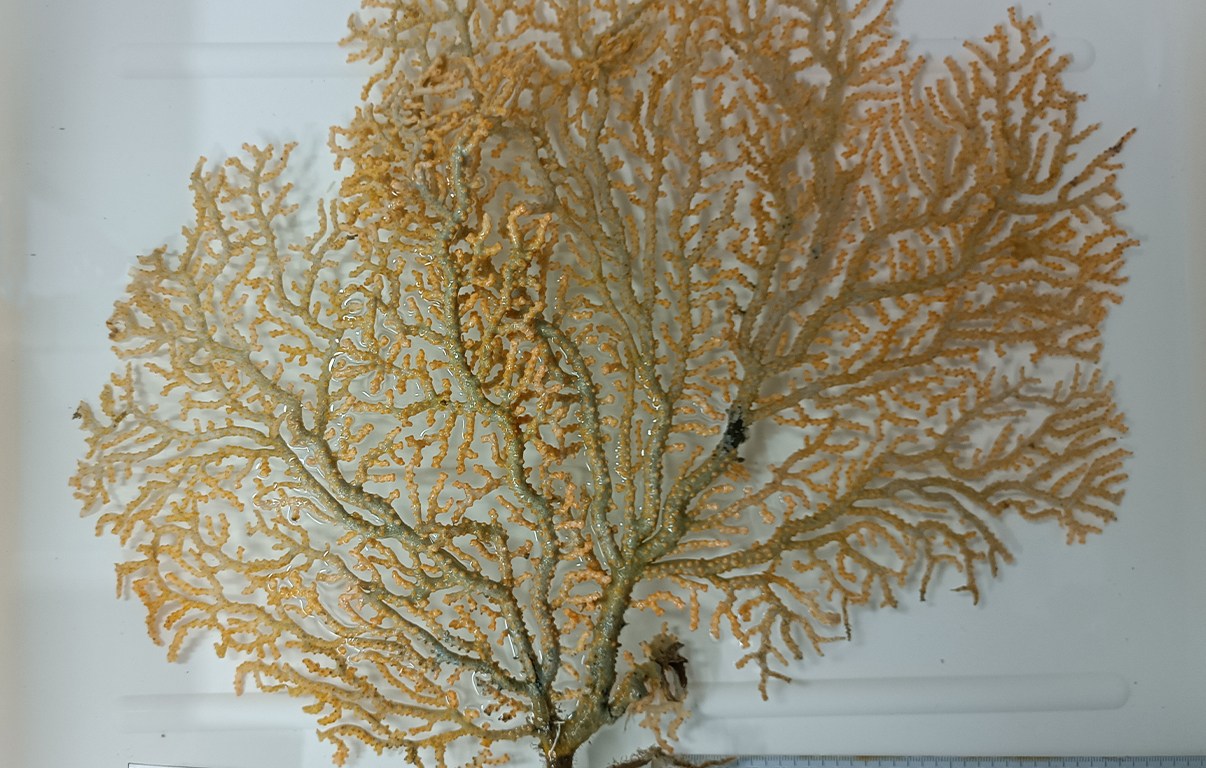
Two years ago, The Nippon Foundation and Nekton came together to launch Ocean Census — an ardent global mission to spur faster discovery of marine life.
Now, the Ocean Census has reported that, through a collaborative effort among hundreds of scientists across the world, it has discovered 866 new marine species, according to a March 10 press release.
Discoveries include new species of shark, bamboo coral, sea butterfly, mud dragon, water bear, octocoral, crab, sponge, shrimp, reef fish, squat lobster, pipehorses, limpet, hooded shrimp, sea spiders and brittle stars. Some of the species were found at a depth of nearly 5,000 meters.
Meet Some of the Species
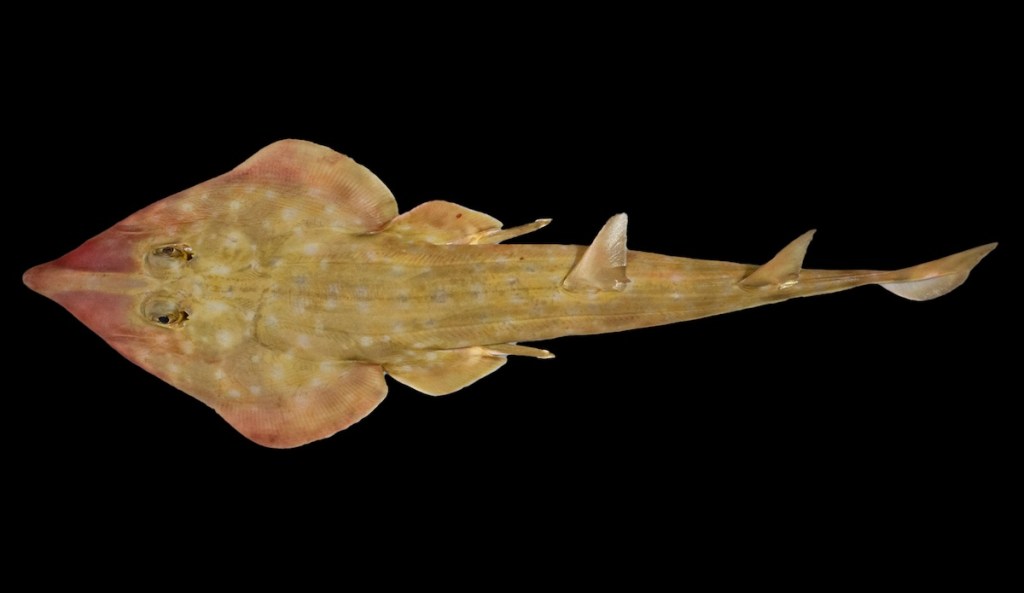
This guitar shark (Rhinobatos sp.) was identified by shark expert David Ebert at a depth of about 200 meters off the coast of Mozambique and Tanzania. There are 38 known species of guitar sharks, and many are considered threatened. A loss of these species could impact the delicate food web in the ocean.

Found near New Caledonia and Vanuatu, a new species of turrid gastropods (Turridrupa sp.) is one of 100 newly identified turrid gastropods — a genus of sea snails. It uses venomous teeth to inject toxins into its prey, and the peptides produced by these snails could contribute to developments in pain and cancer treatment. Related species have yielded promising results in medical research.
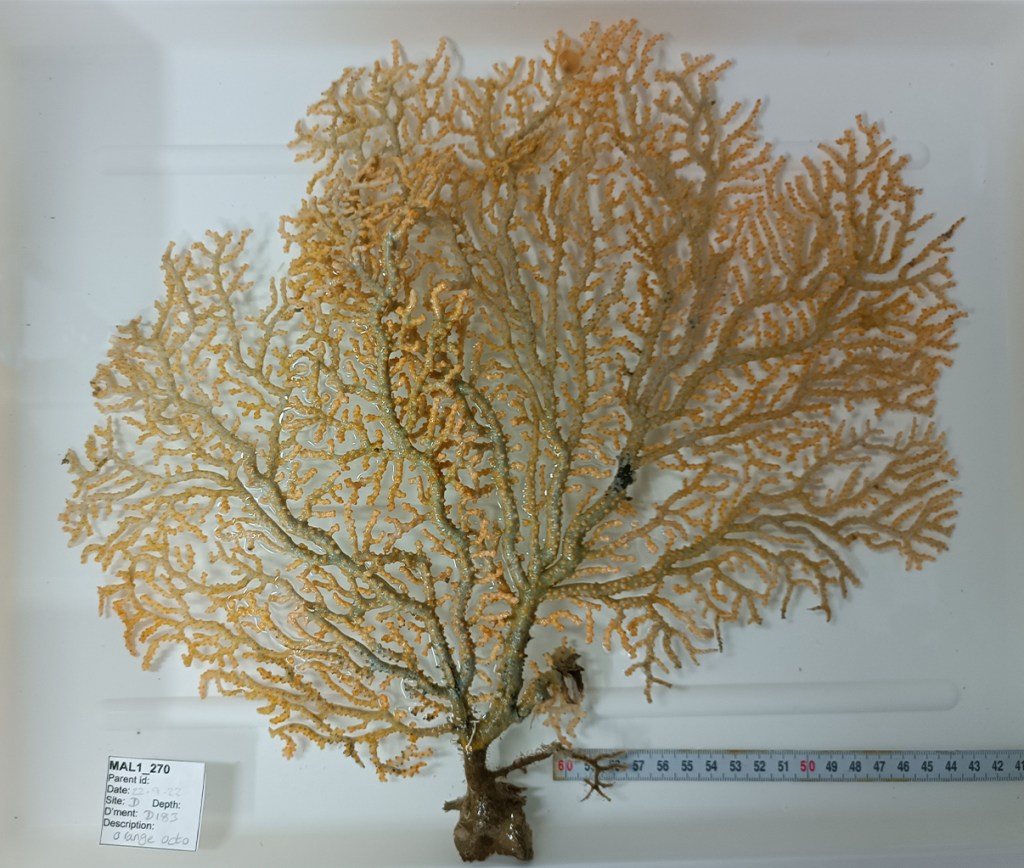
Researchers Aishath Sarah Hashim, Aminath Nasath Shanaan and Asako K. Matsumoto found a new species of octocoral in the Maldives, representing the fifth identified species in this genus. Octocorals provide reef stability and help with cycling nutrients through the ecosystem.
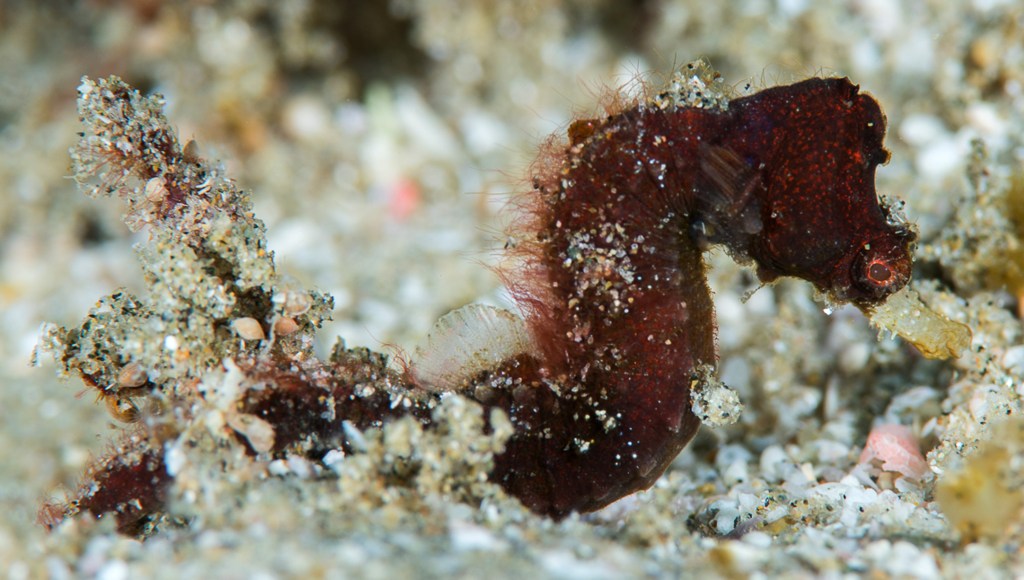
A new species of pygmy pipehorse (Syngnathidae) was discovered in the Indian Ocean off the coast of South Africa. Only 4 centimeters long, it is found in coral reef environments and are experts in camouflage. This is the first time this genus has been found outside of the waters of New Zealand.
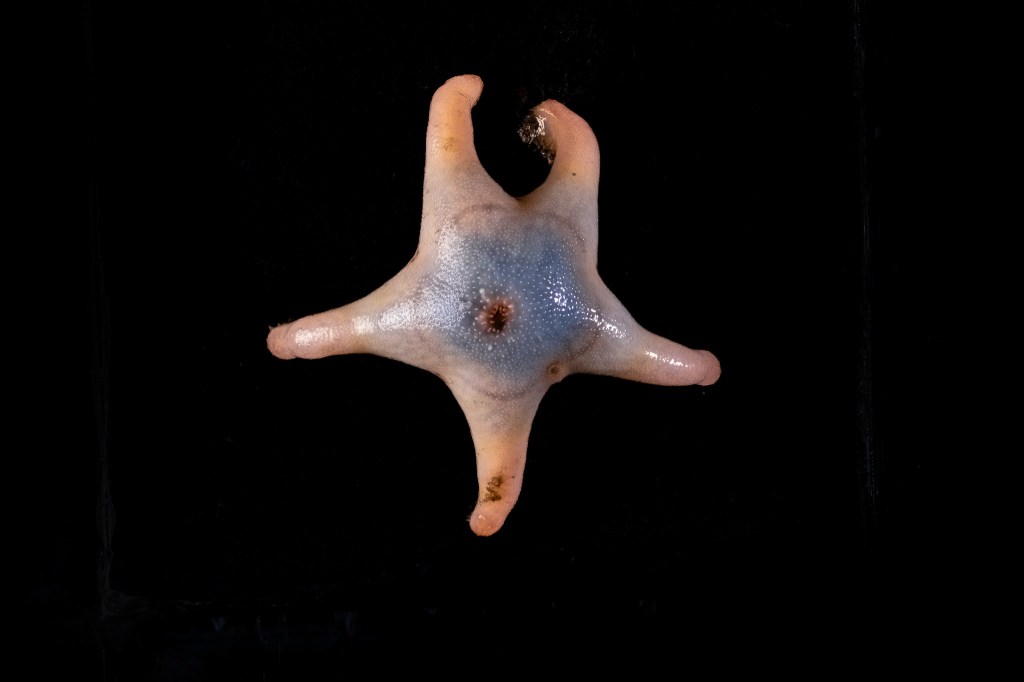
A new sea star species (Tylaster sp.) was found in the Arctic at a depth of 2770-3575 meters. Living in extreme conditions near hydrothermal vents, this sea star is the second identified in this genus. The first was discovered in the Norwegian Sea in 1881.
The Purpose of Ocean Census
The ocean remains one of the most unexplored regions of the world. When Ocean Census launched in 2023, it aimed to provide a pathway for species to be discovered and officially registered more rapidly than before.
“The ocean covers 71% of our planet, yet it is said that only around 10% of marine life has been discovered so far, leaving an estimated 1–2 million species still undocumented,” Mitsuyuki Unno, executive director of The Nippon Foundation, said in the release. “These latest findings demonstrate how international collaboration can advance our understanding of ocean biodiversity.”
It can take years for the process of registration to occur, running the risk that species might go extinct before they are even officially recognized. The lack of urgency in this process means that new species that could have potential benefits, or could help scientists better understand marine ecosystems, might never be studied further.
Moreover, Ocean Census aims to ensure scientists have access to new data and information regarding new species. New species are now registered in the Ocean Census Biodiversity Data Platform, which is accessible for both scientists and the public.
The Path Forward
Ocean Census plans to continue to send out expeditions and connect scientists worldwide to advance the discovery of marine life moving forward, with 10 new expeditions slated for 2025. Many areas remain largely unexplored, such as the deep-sea ecosystems of the Arctic.
“The past two years have been transformative for the Ocean Census: we’ve pioneered new methods, forged key partnerships, established a global network of participating scientists and overcome the hurdles of a truly global mission. Our estimates suggest that discovering 100,000 new species could require at least $1 billion. We are laying the groundwork to make large-scale species discovery a reality, but our impact will ultimately be determined by how this knowledge is used to support marine protection, climate adaptation and biodiversity conservation,” Oliver Steeds, director of Ocean Census, said in the release.
More species are expected to be discovered and added to the data platform in the coming years.
Discover more from Green Vignettes
Subscribe to get the latest posts sent to your email.
